
How to Practice American Mahjong Alone
Direct answer
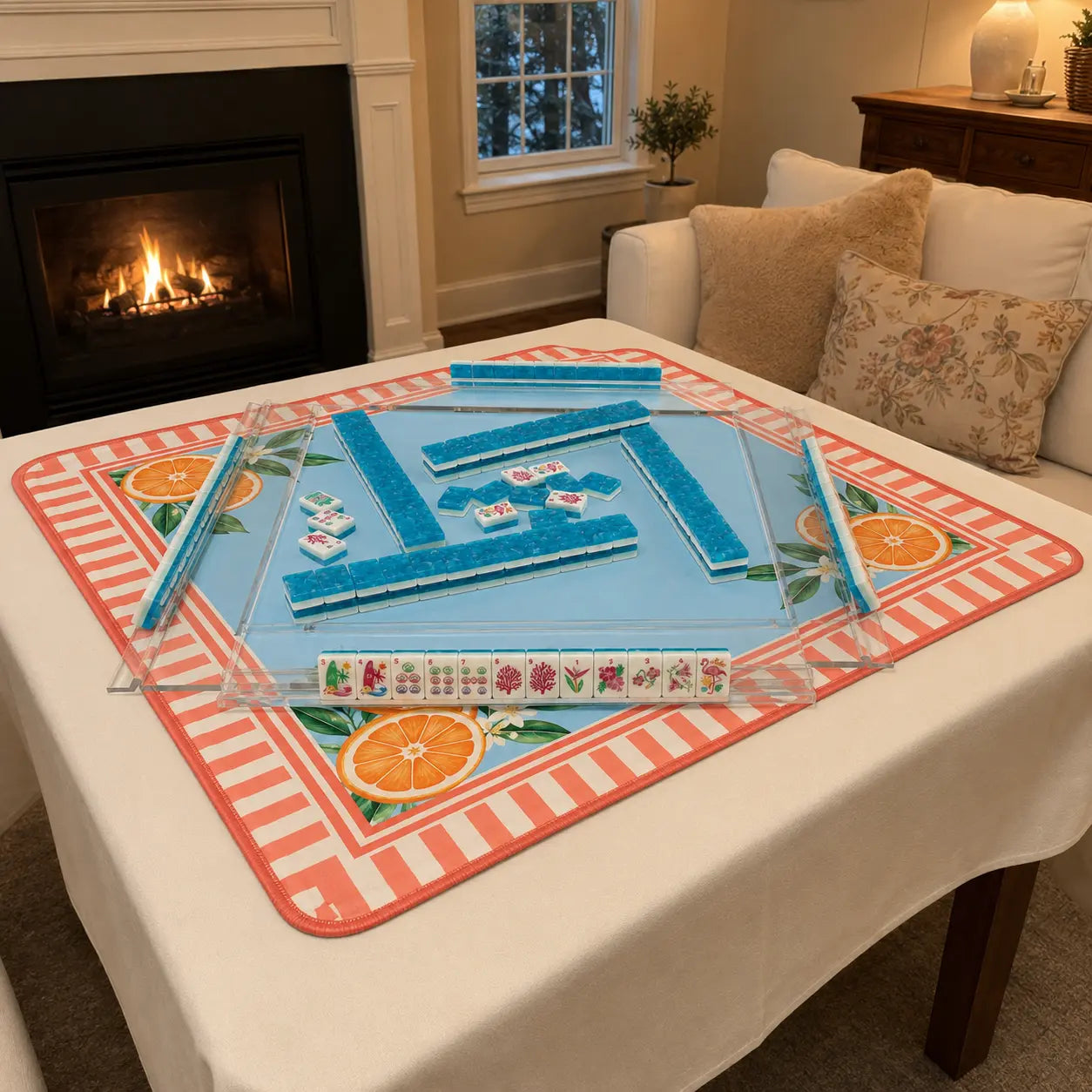
Practice alone by dealing sample racks, identifying candidate card lines, simulating draws and discards, and reviewing when a hand should pivot. Solo work cannot reproduce calls, opponents, or table timing, but it can make the next live game far less overwhelming.
Build card-reading speed
Deal 13 random tiles and set a short timer. Find three possible card lines, then identify the tiles those lines share.
Do not ask which hand is perfect. Ask which choices need the fewest highly specific additions and which remain flexible after an unhelpful draw.
Practice tile fluency
Mix the tiles face-up and sort them into Dots, Bams, Craks, Winds, Dragons, Flowers, and Jokers. Name each tile aloud as you place it.
Then reverse the drill: choose a card concept and locate the natural tile families it needs without copying or publishing the card line.
Simulate draw and discard
Deal a rack, choose two candidate lines, and leave the rest face-down as a draw pool. Draw one, reassess, discard one, and note when the preferred direction changes.
Because there are no opponents, treat this as decision rehearsal rather than a real game result.
Review the pivot
After the drill, identify the first moment another hand became more realistic. Did you stay with the original direction because it was strong, or because it was familiar?
A ten-minute review is more useful than completing a long simulated hand without reflection.
Frequently asked questions
Can I play a complete, authentic game alone?
No. You can simulate parts of play, but a full game depends on other players’ calls, exposures, discards, and timing.
Are apps useful for practice?
They can help if they use the same rules and current card. Physical drills still teach rack organization, recognition, and table handling.
How often should a beginner practice?
A focused ten- or fifteen-minute drill several times a week is enough to build familiarity. Stop before repetition becomes careless.
Scope
Solo practice, not standard competitive play
Sources
Practice one skill at a time.
Use short sessions for recognition, card reading, discards, and pivots.




Leave a comment
This site is protected by hCaptcha and the hCaptcha Privacy Policy and Terms of Service apply.